

The Challenge
Deferred maintenance quietly degrades system performance until the resulting comfort problem is mistaken for a design or capacity problem.
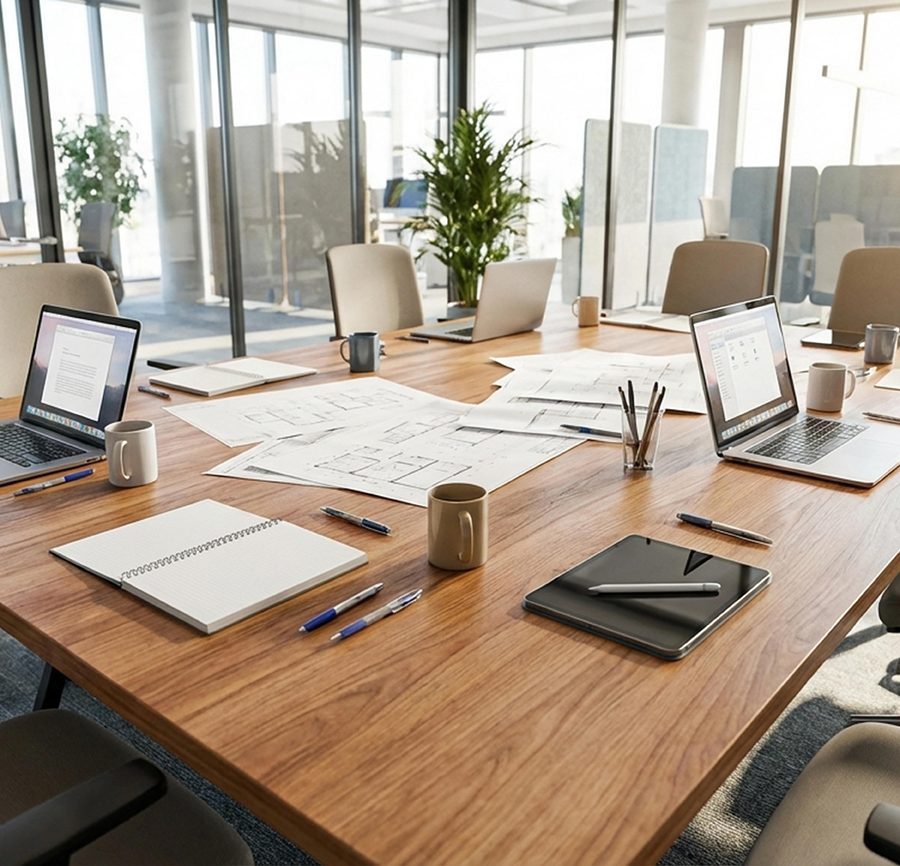
During a period of extended elevated outdoor temperatures, a premium office environment was experiencing persistent comfort complaints within their largest meeting and event space. The room regularly felt too warm and stale, impacting occupant experience and raising concerns about whether the installed cooling system could meet demand. Initial assumptions pointed towards potential system upgrades, equipment replacement, or costly redesign works.
The Investigation
Service records identified a lack of maintenance in the area. Discussion with the staff identified that resources were being constantly redirected away from maintenance task to project support.
Action plan
Carryout maintenance checks and validation of operation in the area.
The Outcome
Validation of the chilled water system serving the fan coil units revealed that chilled water flow rates were operating at around 40% of their intended design performance, significantly reducing the cooling capacity available to the space. The chilled water strainers at the terminal units were removed and found to be heavily contaminated. These were cleaned and replaced.
The fresh air supply to the area was also validated. The space which can hold 300 people is frequently used for fewer occupants. The fresh air supply can be boosted during periods of high occupancy. The control damper delivering this change in volume was found to be operating in the opposite mode to that of the design. This was easily corrected on the BMS.
The Results
The impact was immediate.
- Chilled water flow increased from approximately 40% to over 80% of design performance after cleaning.
- The air quality within the room was improved resulting in a ‘fresher’ space.
- Room temperatures began to reduce during the remediation work, with a noticeable improvement in occupant comfort.
- The findings avoided premature conclusions that major capital expenditure was required.
- The maintenance team was provided with a clear plan to restore the remaining system performance through further cleaning and recommissioning.
The investigation confirmed that deferred maintenance and incorrect control operation had reduced available cooling capacity and ventilation performance. By restoring the system to its original operating condition, occupant comfort improved immediately and unnecessary capital expenditure was avoided.