
The Challenge
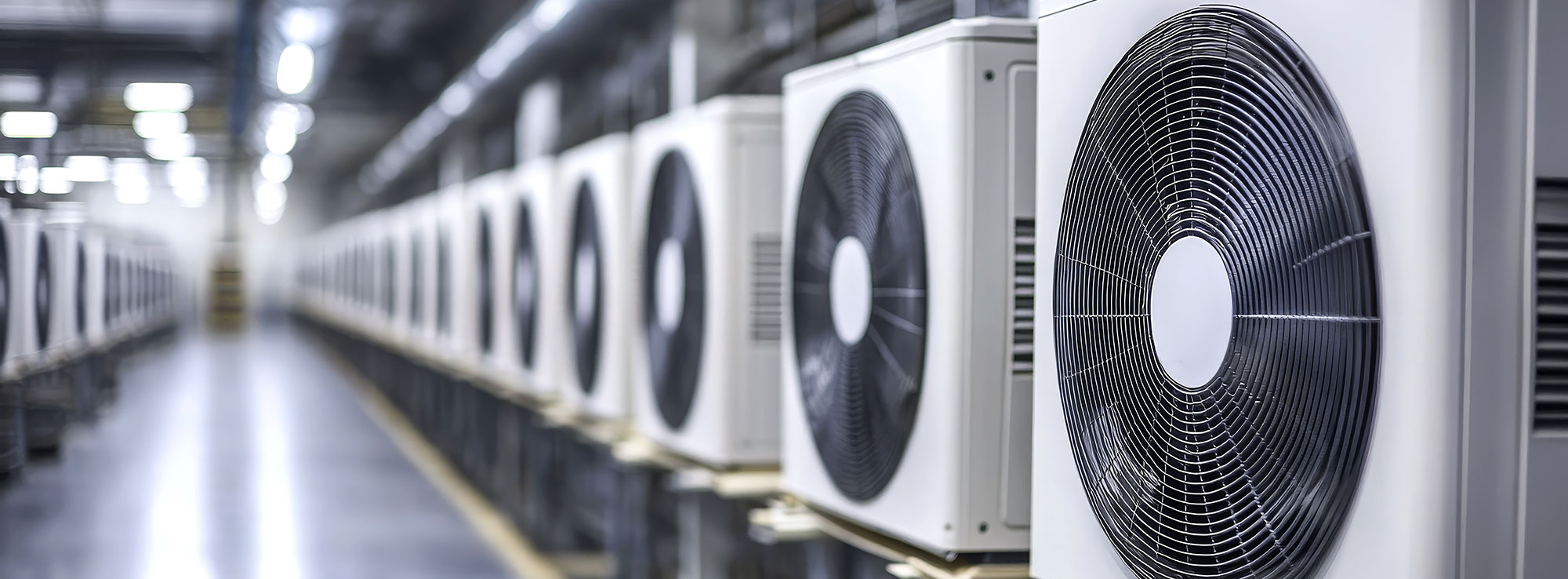
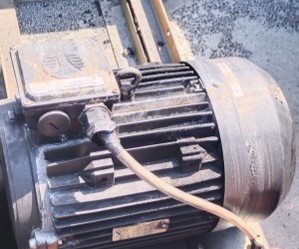
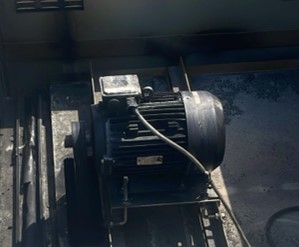
A London hotel had identified a roof-mounted motor that required attention. The cable entry gland had deteriorated, creating a risk of water ingress, and the asset was placed on the maintenance priority list.
However, as often happens, more immediate operational demands took precedence, and the work was repeatedly deferred.
Following a period of extreme weather, including heavy rainfall, the motor failed due to water ingress.
The consequence was significant. The hotel’s kitchen operation was disrupted, emergency repairs were required, and the asset that could have been repaired relatively inexpensively now required full replacement.
Key Takeaway
Many maintenance issues are not urgent until they fail. A relatively low-cost repair became an expensive replacement, accompanied by operational disruption and business impact.
The cost of planned intervention is almost always lower than the cost of reactive failure.
The Lesson
Roof-mounted equipment operates in one of the harshest environments within a building. Exposure to extreme temperatures, UV degradation, wind-driven rain, and moisture can accelerate deterioration of critical components such as cable glands, seals, and electrical connections.
In this case, the risk was known.
The failure was not unexpected; it was simply delayed.